 |
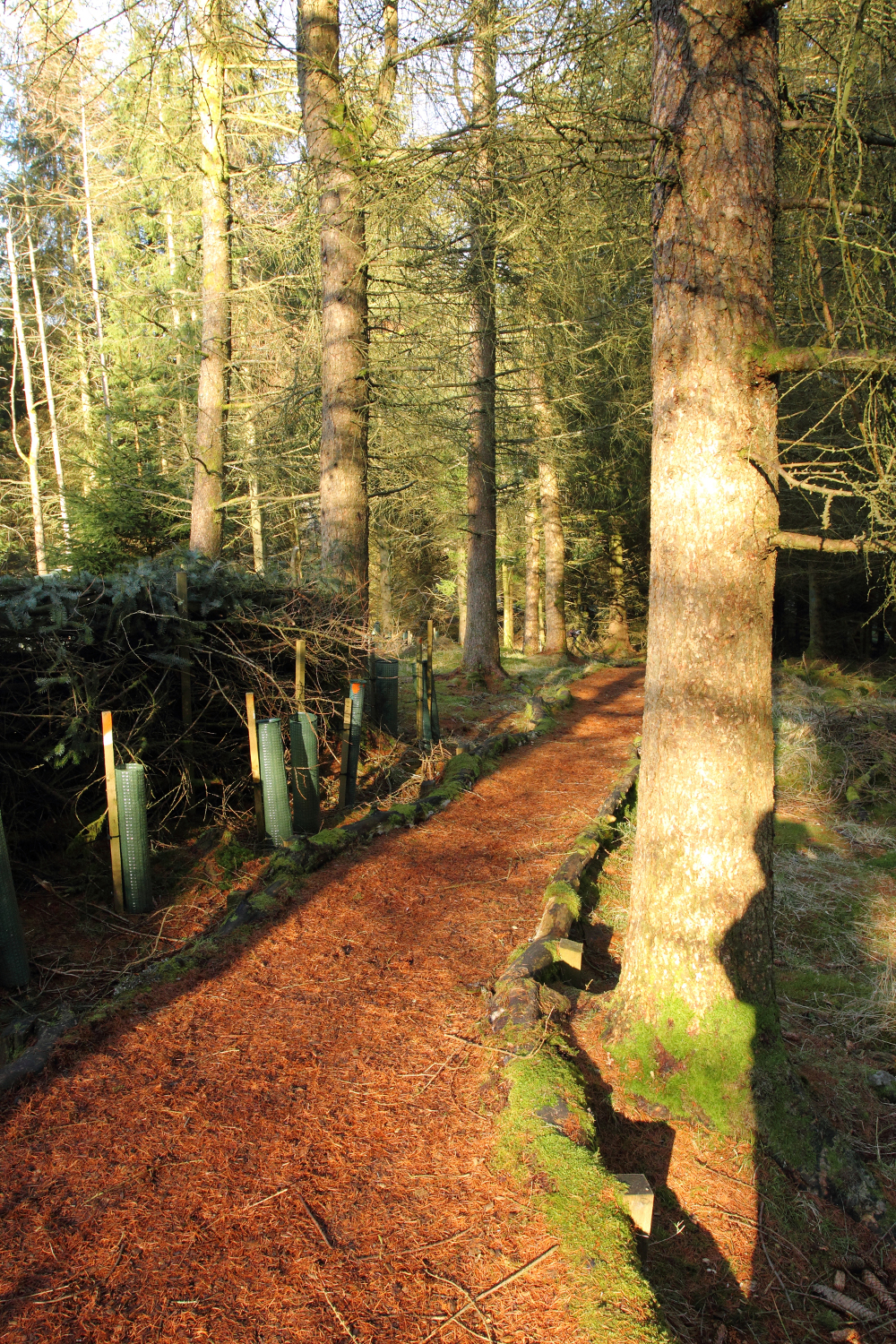
| Strid Wood at Bolton Abbey |
Thursday 21 March is a day to celebrate the wonderful forests we have around the world and to raise awareness of their importance. It is also a day to be able to show how trees, forests and their surrounding habitats make a big difference to local communities.
So why do we, the Yorkshire Dales National Park Authority, support the International Day of Forests, and why do we think forests are so important?
 |
| Snaizeholme red squirrel reserve |
Forests (or woodlands, as we more often call them) are home to many rare plants and animals. The Yorkshire Dales National Park has some incredible woodland including fine examples of upland ash, particularly where it grows straight out of limestone pavement - such as at Colt Park on Ingleborough National Nature Reserve.
Conifer woodland is a great habitat for our native red squirrel, providing a vital food source. Red squirrel reserves have been designated at Garsdale, Mallerstang, Widdale and Greenfield Forest to help ensure their long term survival.
We also have some rare ancient woodland, which is often merited as being the UK's equivalent of rainforest, and is home to more rare and threatened species than any other UK habitat.
 |
| Torpid (sleeping) dormouse at Freeholders' Wood |
Freeholders’ Wood at Aysgarth Falls in Wensleydale has had tree cover since at least 1600. Ramson (wild garlic) and marsh marigold, nuthatch and speckled wood butterfly can all be found here. It is named for the ‘freeholders’ of the nearby village of Carperby who have an historical right (called ‘estovers’) to collect coppiced wood here.
And following a reintroduction programme in 2008, dormice are returning to Freeholders’ after nearly a century’s absence,.
Known by their long bushy tail and sparkly black eyes, these tiny, elusive creatures, immortalised by Lewis Carroll in ‘Alice in Wonderland’, could fit easily into a small teacup.
Dormice numbers have declined dramatically in the UK, mainly due to the loss and deterioration of their ancient woodland habitat, hazel. We were delighted to see the population at Freeholders’ Wood had expanded a year after our 35 adults arrived. Unfortunately, the endless deluge last year destroyed habitats and made food hard to come by for small mammals, leaving dormice monitoring results low. We are hopeful that 2013 will see an improvement - if the weather is kinder.
 |
| Grass Wood in Wharfedale |
Our woodlands are also places for relaxation and recreation. Grass Wood in Wharfedale, managed by the Yorkshire Wildlife Trust, is a magical place for a quiet walk, listening out for woodpeckers. Strid Wood at Bolton Abbey has a path accessible for wheelchair users and is renowned for its flora and fauna, particularly the carpets of bluebells in spring.
 |
| Native red squirrel |
And our wonderful Snaizeholme red squirrel trail from Hawes takes you right into the heart of their woodland habitat - on the right day you can catch the little white bus direct to the reserve.
Not only do woodlands provide a home to an abundance of life, and are great to look at and be in, but they also have many other useful functions. They help to reduce flooding, improve water quality and can help to buffer the effects of climate change.
Managed sustainably, a woodland can also provide us with many of the resources we need, such as timber for building materials, fuel for our fires and paper to write on.
 |
| Wood anemone |
 |
| Speckled wood butterfly |
One of the major roles of the National Park is to protect and enhance these woodland habitats, as we do with all of our important habitats. Through the planting of new woodlands we can extend and provide crucial links between the existing fragmented pockets of woodland. Joining up existing woodland habitats can create much larger woodland networks than could be achieved by new planting alone.
By managing the existing woodlands, we can also improve their biodiversity providing a home to a greater number of species, and can also help to make our woodlands more resistant and resilient to climate change.
 |
| Wood warbler |
So what have we been involved with this last year, and what are our plans for the year ahead?
Last year we were able to assist in the planting of 60 hectares of new native woodland within the Yorkshire Dales National Park. That is almost the equivalent of 60 full-sized football pitches, containing up to 67,000 trees.
This year we aim to work with our partners to bring at least 50 hectares of ancient semi-natural woodland into good management, helping to improve that all-important biodiversity. We will also work with others to support planting of at least 50 hectares of new native woodland, with a particular focus on planting where forest habitat networks will be created.
* * *
Find out more about woodland in the National Park and what we are up to on our website at www.yorkshiredales.org.uk/woodlandsandscrub
For information about the International Day of Forests and to see some great photos or projects going on around the world, visit www.fao.org/forestry/international-day-of-forests. You may even wish to upload your own photos to their website, showing off our beautiful woodlands and successful planting projects!
* * *
Our guest blogger Kate Wilding wears two hats – she has roles in both the Authority’s Trees and Woodlands Team and its Wildlife Conservation team, so has a great insight into these companion areas of work.
Kate is passionate about woodland crafts and re-instigating traditional management of woodlands. Having decided she had a love of woodlands and all things related, she decided she needed to know more about them and how to be able to look after them sustainably. Kate spends her evenings and weekends studying for her masters degree in Forest Ecosystem Management.
* * *
Photography: Whitfield Benson
* * *
Photography: Whitfield Benson


